Guest–cottage bathrooms look best when tile choices deliver vintage charm without requiring constant upkeep. In most occasional‑use cottages, that means prioritizing easy‑care, water‑resistant tile for the main surfaces and using custom or relief tiles sparingly as accents.
Who should consider custom or handmade tile
Custom relief tiles and handmade encaustics suit homeowners who value one‑of‑a‑kind character and are prepared to pay for specialized labor, molds, glazing, and long‑term care. Designer projects such as Emily Henderson’s show how much personality these tiles add, but also illustrate the higher cost and more complex installation they demand.
If you plan to keep the cottage as a weekend retreat, host only occasional guests, and can budget for longer lead times and occasional restoration, a few custom pieces — a niche wall or a framed backsplash — can be a worthwhile focal point. If you expect frequent turnover, short stays, or limited time for maintenance, custom field tile is usually a poor fit.
Tile types that reduce cleaning and wear
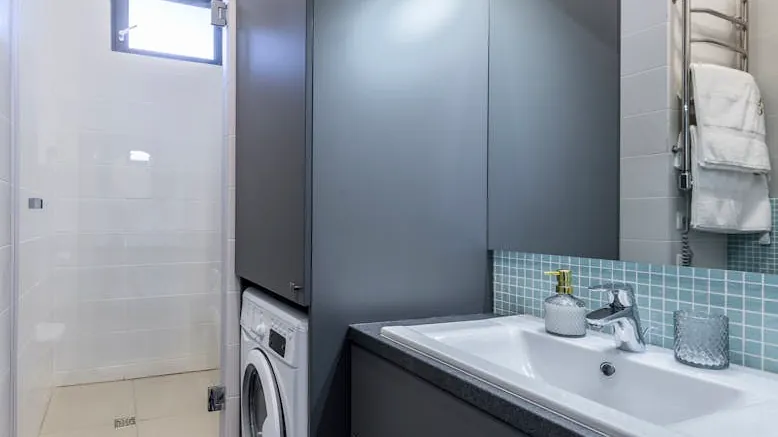
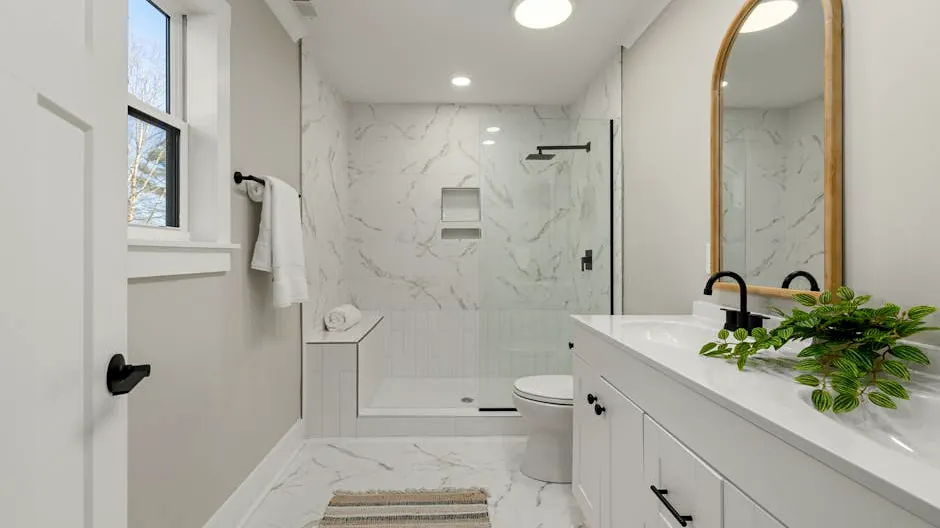
Classic options — subway tiles with bold grout, large‑format porcelain, and wood‑look ceramic/porcelain planks — smartly trade “antique authenticity” for durability and low maintenance. Larger tiles and rectified porcelain reduce the number and width of grout lines, which directly cuts places where dirt and mildew collect; wood‑look porcelain gives the warmth of timber without the water sensitivity of real wood.
These materials also let you introduce pattern and scale without extra upkeep: herringbone or vertical subway layouts change the room’s feel while still using tiles that clean with household cleaners and do not require frequent sealing.
Materials best used as accents, not full‑room solutions
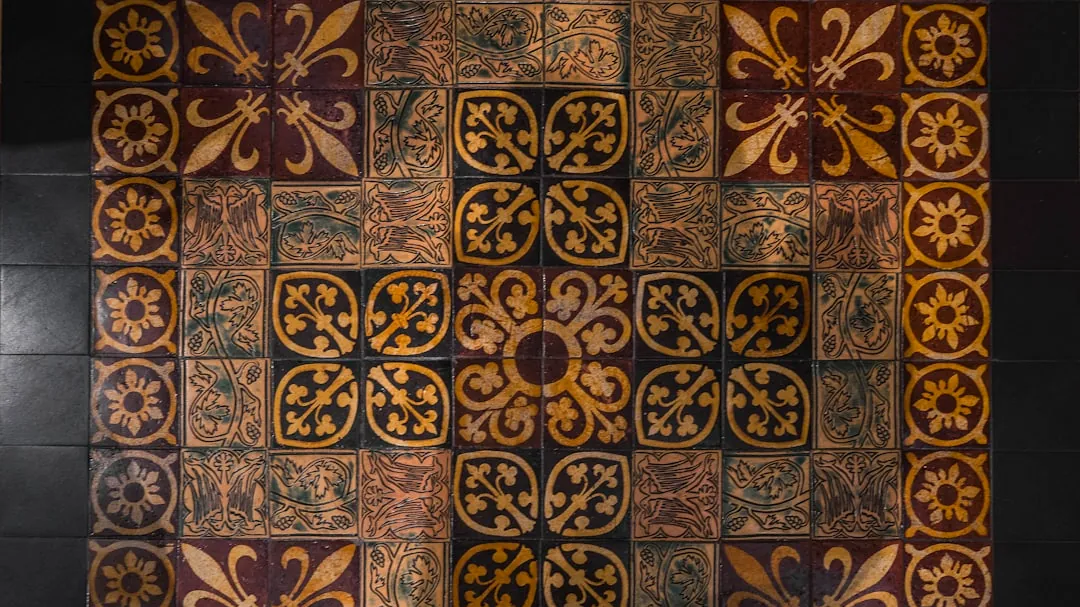
Natural stone and encaustic cement tiles offer strong vintage texture but need regular sealing (roughly annually to every few years, depending on porosity and sealer) and are vulnerable to acidic cleaners and heavy wear. Use them on a single feature wall, a vanity splash, or a defined floor panel rather than across an entire shower floor or high‑traffic surface.
Textured or relief tiles add depth but have practical downsides: raised edges in wet zones trap soap scum and grime and complicate scrubbing. Metallic and high‑gloss glazed tiles reflect light well but lose their effect if used over large areas in a small cottage bathroom; reserve them for a band or inset that reads as a detail, not the whole finish.
Decision checkpoints and a quick comparison
Before you commit, run a short checklist: how often the bathroom is used, who cleans it, your willingness to reseal materials, and whether the tile will face shower spray or heavy foot traffic. If more than two of those answers point toward regular use or limited maintenance capacity, favor low‑grout, porcelain, or wood‑look tile for most surfaces.
| Tile type | Aesthetic role | Maintenance & durability | Best guest‑cottage use | Stop signal |
|---|---|---|---|---|
| Large‑format porcelain | Clean, modern or classic base | Low; few grout lines | Walls, floors, shower surrounds | None for high‑use guest baths |
| Subway tile (bold grout) | Timeless, patternable | Low; grout needs occasional cleaning | All over, accent herringbone walls | If grout maintenance is a problem |
| Wood‑look ceramic/porcelain | Rustic warmth without rot | High; water‑resistant and durable | Floors, dry walls | If you insist on real wood feel and patina |
| Encaustic cement | Strong vintage pattern | Medium‑high; requires sealing and care | Feature floor or inset | Full‑room coverage in showers or high traffic |
| Custom relief/handmade tiles | Unique, collectible character | High; specialized cleaning and occasional restoration | Accent wall, framed niche | If you can’t budget for molds, glazing, and upkeep |
Quick Q&A
Can textured tiles go in the shower? Not as full‑room field tile. Raised textures trap grime; if you use them, limit them to a dry wall or a high, decorative band out of constant spray.
When are encaustic tiles a sensible choice? When you want a focal floor inset or an occasional feature and can commit to sealing and gentle cleaners; avoid encaustics for entire shower floors.
Is wood‑look tile really a good substitute for real wood? Yes for humidity and wear: wood‑look porcelain gives the visual warmth of timber without rot or extra maintenance, making it a practical default for guest cottages.