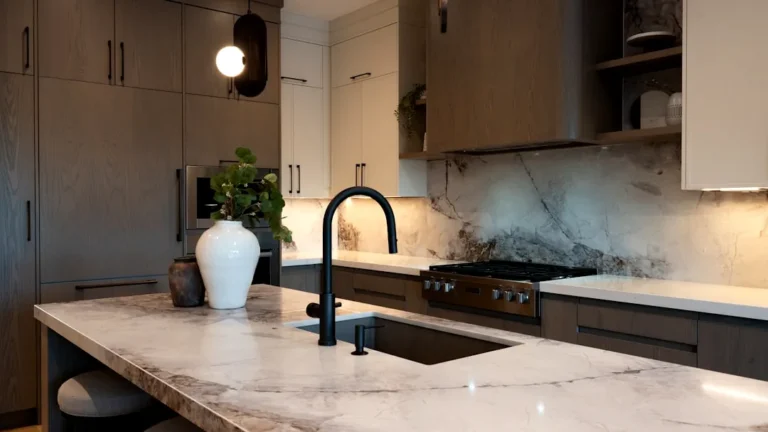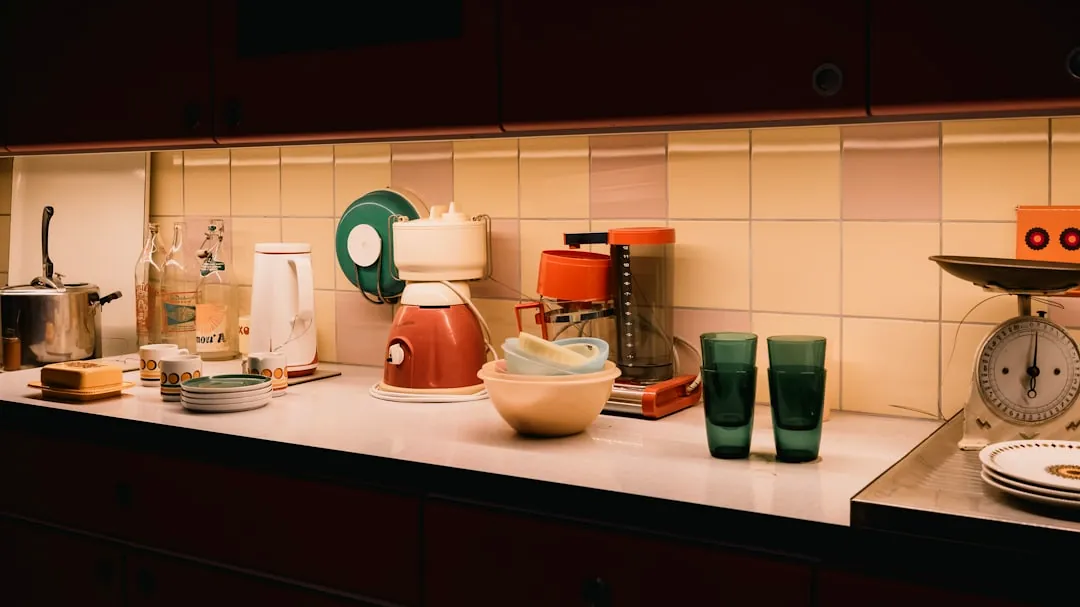
A minimalist vintage kitchen works best when the nostalgic parts are chosen for space, upkeep, and daily use rather than added all at once. The goal is not to make the room look old. It is to use a few vintage signals—flooring, finishes, lighting, and appliances—in ways that still suit a modern kitchen’s cleaning, safety, and storage needs.
What makes this style practical instead of just decorative
The common mistake is assuming that vintage decor or retro-looking appliances automatically create a usable kitchen. They do not. A practical minimalist vintage makeover depends on whether each element earns its place through durability, efficiency, or space savings. That matters most in smaller kitchens, where one oversized statement piece can quickly make the room feel crowded.
Checkerboard flooring is a good example of a vintage detail that often works hard for the space. It brings instant period character, but it also keeps a small kitchen visually structured rather than busy. Porcelain tile versions can mimic marble at a lower cost, which makes the look more accessible without adding the maintenance demands of more delicate materials.
The same restraint applies to cabinetry and storage. Open shelving or glass-front cabinets can create a vintage display effect without the visual heaviness of full upper cabinets, but they only stay minimalist if what goes on them is limited and useful. If everyday items already tend to collect on counters, closed storage may be the better choice.
Which vintage elements give the most impact for the least commitment?
Some updates change the feel of the kitchen quickly without locking you into a high-maintenance setup. Peel-and-stick vintage wallpaper is one of the easiest ways to add pattern and age-inspired character, especially for renters or anyone unsure about a permanent wall treatment. It works best when used selectively, such as on one wall, inside a pantry nook, or above beadboard rather than across every surface.
Beadboard paneling is another low-drama way to add texture. In cottage or farmhouse-leaning kitchens, it gives the room a vintage backbone without making it feel crowded. In smaller kitchens, vertical beadboard can also help ceilings appear taller, which supports the minimalist side of the design instead of fighting it.

Hardware and fixtures are often the safest starting point for homeowners who want vintage warmth without a full renovation. Reproduction brass hardware, enamel farmhouse sinks, and retro-style lighting can shift the tone of the room while still being made to current durability standards. Antique brass and copper finishes are especially forgiving because they age well rather than looking worn out too quickly.
Where the trade-offs show up: cost, maintenance, and space
Not every vintage-inspired material is equally easy to live with. Butcher block countertops bring warmth that helps minimalist kitchens feel less stark, but they need regular oiling to resist drying, staining, and water damage. If you already know routine maintenance gets skipped in your home, butcher block may look right but function poorly over time.
Appliances need the same kind of reality check. Pastel or retro-style refrigerators and stoves can carry a lot of the vintage look on their own, but they should still be chosen for modern efficiency, size, and fit. In a compact kitchen, a smaller retro-style refrigerator may make sense. In a busy household that needs maximum storage or cooking capacity, appearance should not override performance.
| Element | Why it works in a minimalist vintage kitchen | Main trade-off | Best fit |
|---|---|---|---|
| Checkerboard flooring | Strong vintage identity without adding clutter; suits small kitchens | Pattern needs restraint elsewhere in the room | Budget-conscious remodels and compact layouts |
| Pastel or retro-style appliances | Delivers vintage character while keeping modern efficiency | Must be checked for size, capacity, and energy performance | Homes that want one clear focal point |
| Butcher block countertops | Adds warmth and a handcrafted feel | Requires regular oiling and more upkeep | Owners willing to maintain surfaces consistently |
| Peel-and-stick wallpaper | Low-commitment texture and pattern | Can look busy if overused | Renters and cautious first-time updaters |
| Beadboard paneling | Adds subtle vintage structure; can visually heighten walls | Style direction leans cottage or farmhouse | Kitchens needing texture without heaviness |
Lighting is where vintage style has to meet modern safety
Vintage lighting should do more than look right over a table or sink. A kitchen needs layered light: ambient light for the room, task light for prep areas, and accent light for warmth. Milk glass pendants, industrial-style sconces, and other reproduction fixtures can provide the right look, but they need to meet modern electrical standards and support the way the kitchen is actually used.
This is one area where minimalism helps. Instead of filling the room with decorative fixtures, use fewer pieces with clearer jobs. A pendant over an island, under-cabinet task lighting, and one wall sconce may be enough. That keeps the room functional for cooking and socializing without turning the ceiling into visual clutter.
Finish choice matters over time. Antique brass and copper are practical because wear tends to read as patina rather than damage. In a kitchen that gets heavy daily use, that aging pattern can make the room feel more settled instead of more worn.
How to decide whether to keep going or stop at a lighter update
Before choosing materials, it helps to set a realistic threshold for space and maintenance. If the kitchen is small, start with one or two vintage anchors such as checkerboard flooring and a retro-style appliance, then keep cabinetry simple. If you are unsure about upkeep, pause before adding butcher block or large areas of wallpaper. A lighter update often holds together better than a full vintage theme that becomes hard to maintain.
Larger kitchens can absorb bolder moves, including diner-style seating or more rustic statement pieces, but even then the room needs editing. Mixing rustic wood textures with sleek cabinetry can work well when the lines stay clean and the color palette stays controlled. Once too many eras or finishes enter the room, the minimalist side of the concept disappears.
Quick Q&A
Who is this style best for? Homeowners or renters who want warmth and character but still need an efficient, uncluttered kitchen.
Who should be more cautious? Anyone with very limited storage, little tolerance for upkeep, or a tendency to collect decorative items that crowd work surfaces.
What is the safest starting point? Flooring, lighting, hardware, or one retro-style appliance usually gives the clearest vintage effect with the least disruption.
What suggests it is time to stop adding more? If open shelves are getting crowded, maintenance tasks are already being skipped, or the room starts losing prep space, the design has gone past practical use.
>