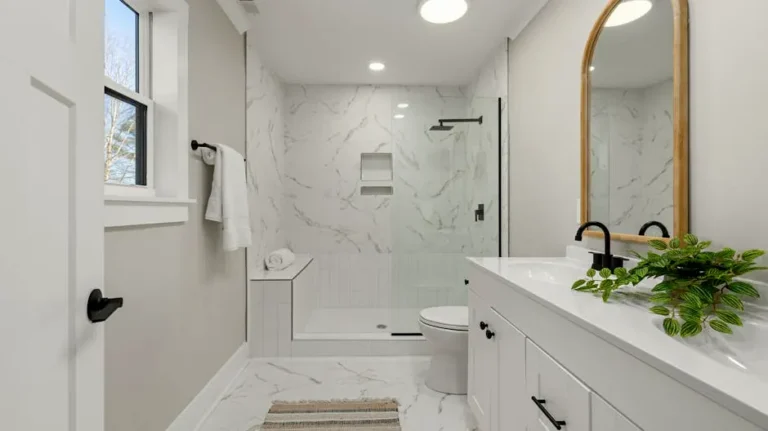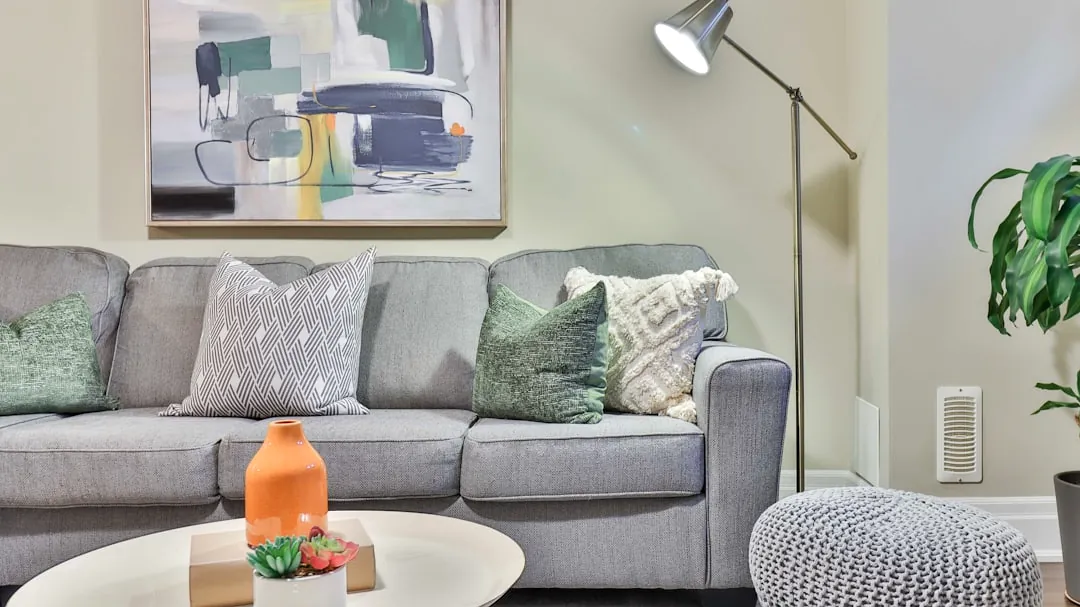
Design decisions have recently undergone a significant transformation, reflecting more than just visual appeal. This shift matters now because it influences how people interact with their environments daily, affecting wellbeing and lifestyle in profound ways.
The Complex Role of Environmental Elements in Design
Design today is no longer confined to what simply looks good. It has become a complex negotiation involving aesthetics, function, identity, and emotional wellbeing. These factors intertwine to shape environments that resonate deeply with individuals.
Lighting exemplifies this complexity. Traditional single overhead bulbs often create cold, flat spaces, but layering ambient, task, and accent lighting enriches the atmosphere and enhances productivity. This layered approach reveals how design influences experience beyond surface beauty.
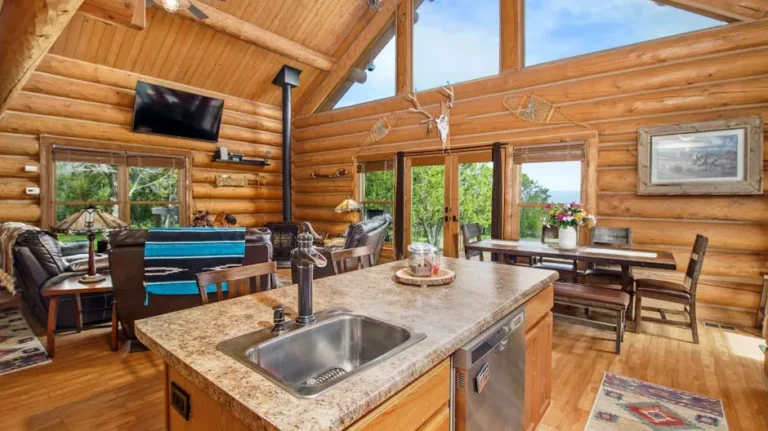
Another subtle but crucial element is undertone color harmony. Many believe matching wood tones is about shade similarity, but it actually depends on aligning warm or cool undertones. When these undertones clash, rooms feel subtly off, highlighting a hidden dimension of design that affects emotional response.
Understanding these environmental elements is essential because they directly impact how spaces feel and function, making design a nuanced craft rather than a simple aesthetic exercise.
Trade-offs and Constraints in Practical Design
Design choices often involve real-world compromises. For example, placing a TV above a fireplace might seem convenient but can reduce viewing comfort and diminish the fireplace’s social role. These spatial trade-offs illustrate how constraints like budget and room size influence design decisions.
Balancing aspiration with pragmatism is a constant challenge. While ideal solutions are desirable, limitations such as existing architecture and financial restrictions frequently require uneasy compromises. This tension shapes how spaces ultimately function and feel.
Recognizing these constraints helps designers and occupants set realistic expectations and find creative ways to optimize environments within given limits.
Personal Alignment and Psychological Impact in Design
Beyond physical elements, personal alignment frameworks offer fresh insights into design’s psychological impact. For instance, the Human Design framework suggests that burnout and creative blocks may arise from environments misaligned with individual decision-making styles, whether emotional, intuitive, or instinctual.
Adapting spaces to support these natural rhythms can improve energy flow and wellbeing. This perspective introduces a layer of design that addresses emotional wellbeing in spaces, moving beyond traditional functional or aesthetic concerns.
Style Tension and the Dynamics of Contrasting Elements
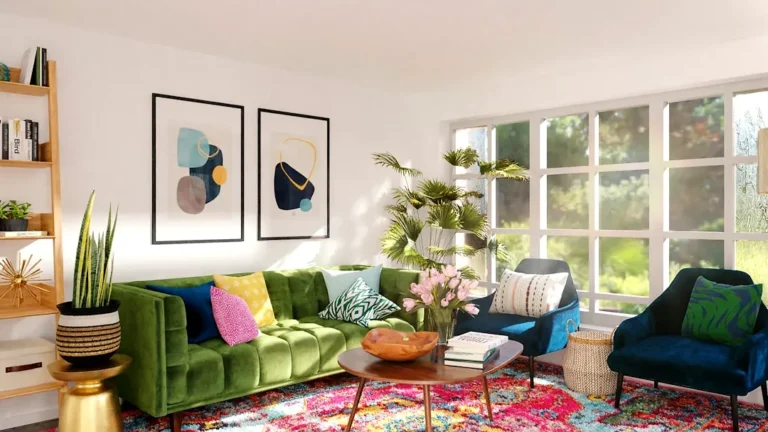
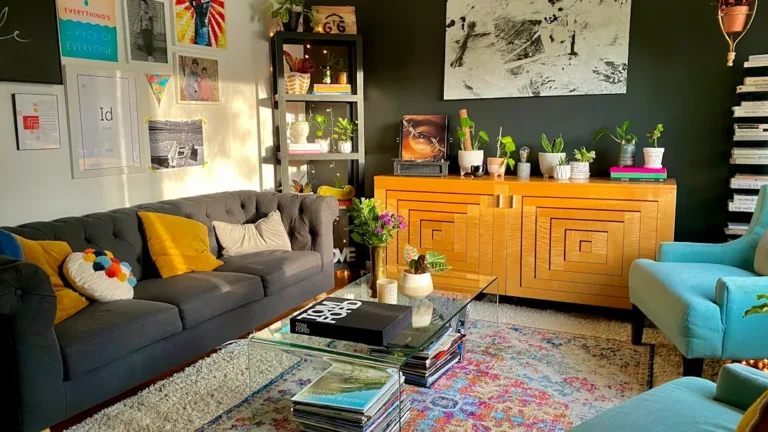
The interplay between contrasting styles, often called style tension, adds personality and avoids blandness in interiors. Combining modern with vintage or mixing 18th-century French with 1960s wicker creates dynamic environments that feel alive and engaging.
This approach demands a confident eye to prevent visual chaos. It reveals design as a living dialogue that balances opposing elements rather than following rigid rules. Style tension enriches spaces by encouraging creative expression and individuality.
However, managing this balance requires skill and sensitivity to maintain harmony without sacrificing uniqueness.
Such dynamic contrasts help spaces reflect the complexity of their inhabitants, making design a form of personal storytelling.
Color Trends and the Challenge of Personal Taste
Current color trends often favor muted, unconventional tones like muddy greens or tans. While these palettes are popular, they can unsettle some individuals who find them less appealing. Taste remains deeply personal and fluid, shaped by context and exposure.
Adapting to these trends requires time and thoughtful integration rather than blind adoption. Designers must carefully navigate between embracing vogue colors and honoring individual comfort to create spaces that feel authentic.
Vintage and unconventional pieces further challenge traditional beauty standards. Items initially perceived as unattractive can become compelling when thoughtfully incorporated, shifting design focus from prettiness to narrative and emotional connection.
The Broader Consequences of Thoughtful Design
Design choices extend far beyond aesthetics, influencing mental health, social interaction, and daily function. Spaces aligned with personal rhythms and authentic interaction can reduce stress and foster wellbeing, especially when simplified or integrated with natural elements.
This connection between environment and life systems highlights design as a vital contributor to personal growth and emotional balance. Recent lifestyle shifts have underscored the importance of such considerations in creating nurturing spaces.
Despite this, a common misconception persists: design is often viewed as either purely aesthetic or functional. This narrow perspective overlooks psychological and energetic layers that shape true spatial experience.
Institutional constraints like standardized codes and cost pressures frequently limit personalized design, forcing compromises that dilute potential benefits. Recognizing these challenges is key to advancing more holistic approaches to interior environments.
Technical Insights and Future Directions in Design
Understanding mechanisms such as undertone matching, layered lighting, and style tension clarifies the technical foundations of effective design. These elements work together to create spaces that resonate emotionally and functionally.
Acknowledging constraints like spatial limits and imperfect personal alignment helps avoid common pitfalls and guides realistic expectations. Challenging misconceptions about color and vintage aesthetics expands creative possibilities and enriches design vocabulary.
Ultimately, design is an evolving process shaped by identity, environment, and wellbeing. It profoundly influences how people inhabit and experience their spaces over time, making it a dynamic and deeply human endeavor.
Comparison of Design Elements and Their Effects
| Design Element | Function | Impact on Experience | Common Trade-offs |
|---|---|---|---|
| Layered Lighting | Enhances mood and productivity | Creates depth and warmth | Requires more planning and installation effort |
| Undertone Color Harmony | Aligns visual and emotional resonance | Prevents subtle discord in spaces | Can be difficult to identify and match correctly |
| Style Tension | Adds personality and avoids blandness | Creates dynamic, engaging environments | Risk of visual chaos without careful balance |
| Personal Alignment | Supports natural rhythms and wellbeing | Improves energy flow and reduces burnout | Limited by budget and spatial constraints |
This table highlights how different design elements serve distinct functions and the trade-offs involved in their application. Recognizing these factors helps create more intentional and effective spaces.