At Home’s new rattan line offers real-vine pieces that start at $35—scalloped storage baskets with hinged lids and safety straps—giving many households the warm look and usable durability of high-end rattan without the high price tag.
What you actually get for the price
At Home’s scalloped rattan storage baskets start at $35 and are made from real rattan; they include hinged lids and safety straps that make them safer for families. Comparable pieces from higher-end retailers can cost quite a bit more—Pottery Barn lists rattan trunks near $159—so the immediate benefit is straightforward: you can buy authentic material and usable construction for a fraction of the cost.
That price point doesn’t just cover small accents. The collection spans lampshades, planter baskets, headboards, and stools, so the low entry cost lets you try rattan in several spots before committing to an expensive statement piece.
How rattan holds up in everyday homes
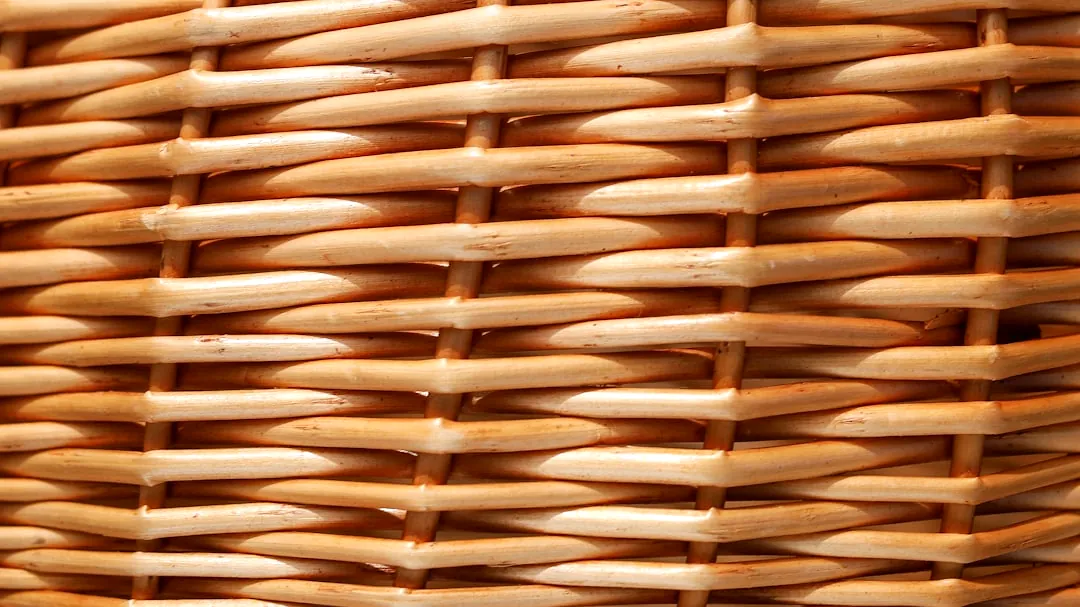
Rattan is the vine itself, while wicker describes the weave and cane refers to the outer portion of the vine used for finer work—knowing those distinctions helps set realistic expectations about strength and porosity. The material’s natural flexibility and tensile strength make it lightweight yet sturdy; paired with outdoor-grade fabrics and straightforward dusting or mild soap cleaning, rattan stands up well to family life. Designers and retailers have emphasized this: Summer Thornton has noted rattan’s rise from a mid-century staple back into interiors, and its durability—especially when combined with washable textiles—explains why it’s out of the sun-only lane.
Practical caution: inexpensive rattan can vary in finish and joinery quality. For pieces that will be sat on daily or moved frequently, inspect seams and how lids are attached (the safety straps on At Home baskets, for example) and expect shorter cosmetic life from cheaper stains and lacquers than from fully hand-finished, high-end pieces.
How to style rattan so it reads current, not retro kitsch
Rattan’s woven texture is a natural softener—Architectural Foundation shows it working in navy-and-white entryways or on floating shelves with ceramics—but it becomes dated when used alone in a room built around “boho” tropes. Designers such as Ariel Okin recommend layering rattan with classic upholstered pieces, clean-lined metals, or solid woods to keep the look curated. Use small accents (a lamp shade, a vase, a planter) to introduce texture without committing the whole room.
Color and contrast matter: preserving rattan’s natural tone maintains timelessness, while painting or dark-staining should be reserved for deliberate, modern palettes. In traffic-heavy zones, swap woven seats for outdoor fabrics or removable cushions to marry durability with the woven look.
When the budget swap is smart—and when to spend more

Choosing At Home’s affordable rattan is a clear win when you want the aesthetic without long-term financial commitment, need multiple matching pieces quickly, or are testing rattan in a new scheme. Investing in higher-priced rattan or bespoke weave work is worth it when you need heirloom craftsmanship, expect heavy daily wear (full-sized seating, frequently used trunks), or want a custom finish that won’t show wear as quickly.
| Factor | At Home (typical) | Higher-end brands (e.g., Pottery Barn) |
|---|---|---|
| Typical price | From $35 (scalloped baskets) | $150 and up for similar trunks |
| Build & finish | Commercial finishes, functional hardware (hinges, straps) | Hand-finished joins, longer-lasting lacquers |
| Best use | Accent pieces, flexible styling, trial buys | Heirloom furniture, heavy daily seating |
| Maintenance expectations | Dusting, occasional mild wash; expect finish wear | Easier to refinish, tighter weaves resist dirt |
Quick Q&A
Are At Home baskets safe for kids? Yes—many models include hinged lids with safety straps; still, check lid fit and keep heavier lids out of reach of very young children.
Can I use these pieces outdoors? Use them in covered porches or bring planters and textiles rated for outdoor use; direct sun and rain shorten life unless the piece is specifically treated.
When should I upgrade to a pricier piece? If you need seating for daily use, want a custom finish, or want something you plan to keep for decades, spend more for sturdier joinery and better finishes.