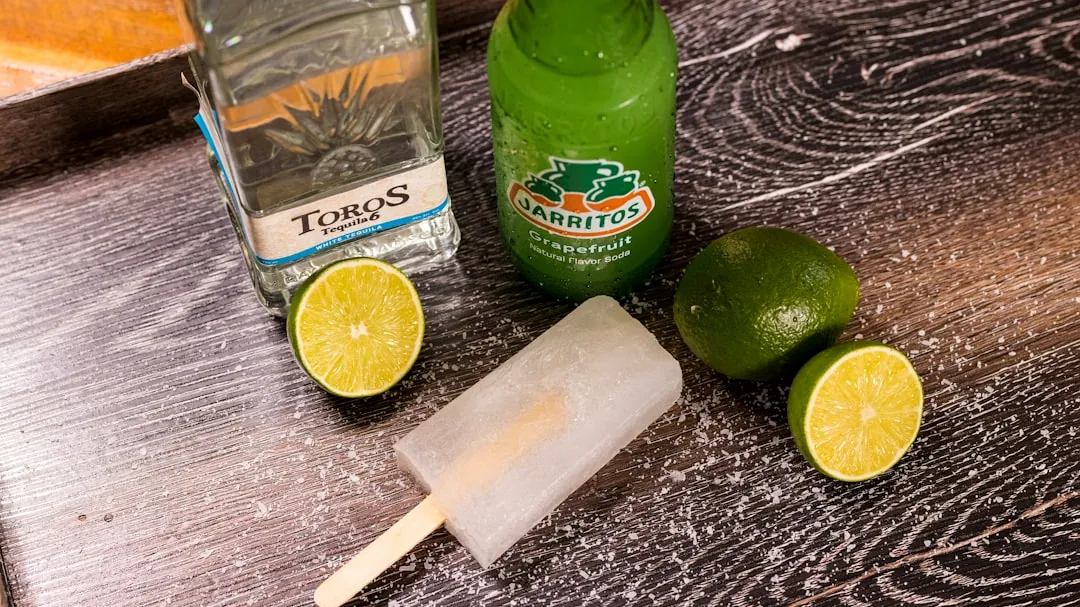
The classic margarita is deliberately simple: 100% agave tequila, fresh lime juice, and an orange liqueur (Cointreau or a trusted triple sec). If you treat those three parts as ingredients that must each meet a basic quality threshold and respect a clear ratio, you’ll get a reliably authentic margarita every time.
Why keep it to three ingredients
Minimalism isn’t a trend here; it’s the mechanism that lets each component do its job. A tequila labeled “100% de agave” supplies the base flavor without the harsh off-notes found in mixto tequilas. Fresh lime juice supplies bright acidity that bottled alternatives can’t match in aromatics and bite. Orange liqueur — Cointreau for a clean balance, Grand Marnier if you want a Cognac-backed richness — supplies sweetness and citrus depth that keeps the drink from tasting one-note.
Which ratio gives the role you want
Small shifts in ratio change the cocktail’s role at the table: more tequila makes it spirit-forward, more orange liqueur smooths and sweetens, more lime pushes it toward a highball-like brightness. Use the following as practical checkpoints rather than rules.
| Ratio (Tequila:Orange:Lime) | Profile | When to choose it |
|---|---|---|
| 2:1:1 (standard) | Balanced with a clear tequila presence and bright acidity | Everyday classic; good default for hosting |
| 3:2:1 | Sweeter, rounder, more orange-laced spirit | When using a premium orange liqueur like Cointreau or Grand Marnier, or for those who prefer softer acidity |
| 1:1:1 | Citrus-forward and tart; tequila plays a supporting role | If you want a very bright, cocktail-bar style margarita or are using a milder blanco |
Choosing tequila for flavor and cost
Decide the tequila by purpose: blanco (unaged or under two months) is the standard for a classic margarita because it’s crisp and highlights agave; reposado (aged two months to one year) adds vanilla and caramel notes that soften the edges and suit a slightly richer 3:2:1 build. Añejo (aged one year or more) is generally too complex and costly for mixing — better for sipping neat. Always check for the “100% de agave” label: if you’re increasing the orange liqueur or making a spirit-forward variant, a better blanco or a reposado justifies the extra cost.
Prep, serving checks, and hosting shortcuts
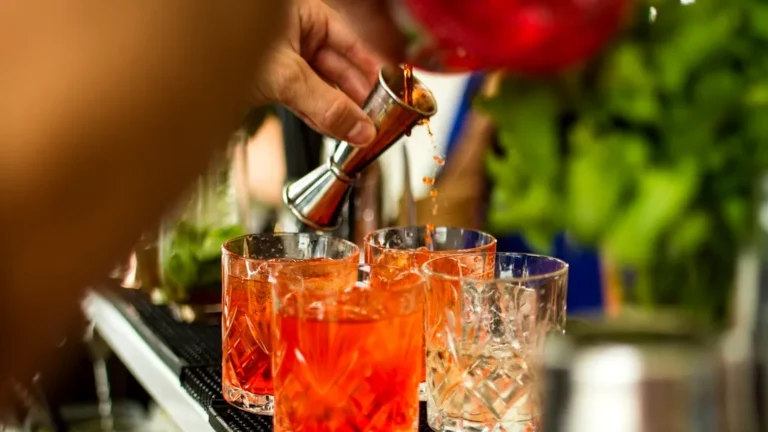
Technique and small choices control final balance. Shake the cocktail with ice for 15–30 seconds to chill and dial in dilution; too little time leaves it hot, too long makes it watery. Salt rims are optional; use kosher or coarse sea salt to rim — iodized table salt can introduce a metallic off-note. Pour over fresh ice in the glass rather than strained neat if you want a longer, more approachable drink.
Batching is a realistic host move: margarita mix freezes well in gallon-size bags and keeps for several months; thaw and shake with fresh ice before serving to restore texture. Add simple syrup or agave nectar only as a corrective: if your orange liqueur is rough (low-cost triple sec) or your tequila lacks smoothness, a small amount (barspoon to teaspoon per serving) softens the edges without masking lime. Stop and reassess if guests complain of a metallic rim, a flat lime flavor (bottled lime), or an overly warm spirit — those are clear signals to adjust technique or ingredients rather than add more modifiers.
Quick Q&A
Which orange liqueur should I buy? Cointreau is the reliable choice for balance; Grand Marnier makes a richer, spirit-forward margarita; inexpensive triple secs vary widely and often benefit from a touch of extra sweetener.
Can I use bottled lime juice? For occasional convenience you can, but expect a loss in brightness and aroma; if using bottled juice, reduce any added sweetener and consider a slightly higher ratio of orange liqueur to mask flatness.
When should I move from blanco to reposado? Choose reposado if you want a smoother, rounder cocktail (good for 3:2:1 builds) or when serving to people who prefer less bite; stick with blanco for the cleaner, more classic 2:1:1 margarita and when minimizing cost per drink matters.