Recent trends have made blue bedrooms a popular choice, sparking renewed interest in how color influences interior spaces. This shift matters now as homeowners seek to create peaceful retreats, yet the nuances of blue’s effects require careful consideration to avoid unintended consequences.
Psychological Roots of Blue Bedroom Design
Blue’s appeal largely stems from its psychological ties to natural elements such as the sky and ocean. These associations instinctively promote relaxation by slowing heart rates and reducing stress. The calming effect is not guaranteed but depends on how the color is applied within a room’s context.
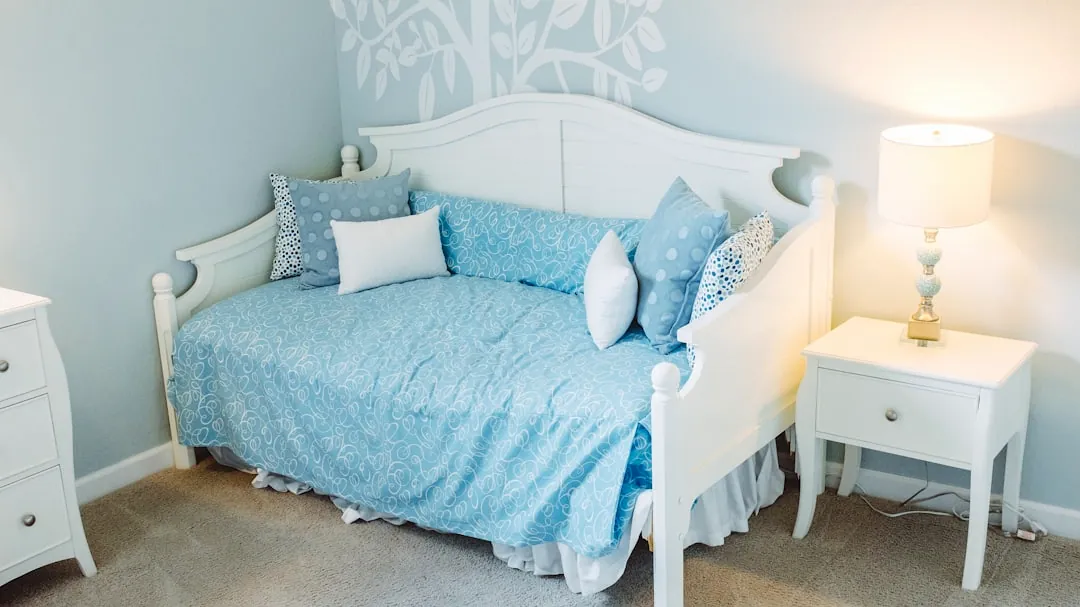
Different shades of blue interact uniquely with light and space. For example, pale blues reflect light, making small rooms appear larger and more open. In contrast, deeper blues like navy or cobalt absorb light, fostering a cozy atmosphere that can either soothe or feel confining depending on the room’s lighting conditions.
This emotional fluidity means blue’s impact is shaped by its surroundings rather than being fixed. Understanding this dynamic is essential for achieving the desired mood in bedroom design.
Lighting Effects on Blue’s Ambiance
Lighting plays a crucial role in determining how blue hues are perceived in a bedroom. Darker blues in rooms with limited natural light risk creating an oppressive atmosphere rather than a restful one. Conversely, ample sunlight can soften these shades, turning them into inviting, richly layered tones.
Artificial lighting further complicates this balance. Warm light bulbs can temper blue’s inherent coolness, adding warmth to the space. On the other hand, cool lighting may intensify the chilliness of blue, requiring careful coordination between lighting temperature and shade selection to maintain harmony.
Texture, Pattern, and Material Interactions
Incorporating texture and pattern adds depth to blue bedroom designs but demands restraint. Blue wallpapers or textiles can energize a space, yet overuse may lead to visual clutter or chaos. The interplay of multiple blue shades requires a refined understanding of color theory to avoid either monotony or overwhelming variety.
Complementary materials such as brass accents or woven textures like rattan counterbalance blue’s coolness by introducing warmth and tactility. These elements are vital for preventing a space from feeling sterile or hospital-like, highlighting the importance of material choices alongside color.
Mastering this sophisticated dance of color, light, and form is key to successful blue bedroom makeovers.
Texture and pattern are not merely decorative but influence the emotional and sensory experience of the room.
Spatial Perception and Thermal Comfort Consequences
Blue’s influence extends beyond aesthetics to affect how a room feels physically. Cool blue tones often lead occupants to increase heating or add cozy textiles, linking color choice to energy consumption and comfort. This connection reveals an often overlooked consequence of design decisions.
In smaller bedrooms, the balance between calmness and claustrophobia is delicate. Light blues paired with neutral tones can visually expand the space, while darker blues should be used sparingly to avoid overwhelming the room. Reflective surfaces like mirrors help distribute light and reduce heaviness, but their placement requires precision to prevent glare or clutter.
Design Trade-Offs and Market Appeal
Comparison of Blue Shades and Their Implications
| Shade | Effect on Space | Maintenance | Flexibility | Market Impact |
|---|---|---|---|---|
| Pale Blue | Brightens and enlarges small rooms | Low fading risk | Highly adaptable | Widely appealing |
| Navy/Cobalt | Creates intimate, cocoon-like feel | Risk of fading in sunny rooms | Limits redecorating options | Polarizing for buyers |
| Warm Undertone Blues | Add warmth and tactility | Moderate maintenance | Balances coldness | Enhances comfort perception |
Choosing a strong or specific blue shade involves trade-offs between personality and future flexibility. While bold blues make a statement, they may clash with new accents and require costly updates. This consideration is critical for homeowners mindful of resale value and long-term satisfaction.
Projecting the Future of Blue Bedroom Trends
Blue’s psychological and aesthetic appeal continues to influence real estate and interior design markets. Classic blue tones tend to attract buyers by signaling tranquility and timelessness. However, unconventional or intense blues risk alienating potential purchasers, adding complexity to design choices.
As awareness grows about how color affects mood, space, and even energy use, designers and homeowners are adopting more holistic approaches. These strategies respect the interplay of room size, lighting, undertones, and textures to preserve blue’s calming promise.
The evolving understanding of blue bedroom design underscores the need for intentionality and nuance in color selection, ensuring that serenity is achieved rather than assumed.