A budget renovation for a 1970s Vermont cabin does not need to start with a full gut job. In most cases, the better approach is to keep the log walls and other sound structural elements, fix any air quality or structural problems first, and then make targeted updates that improve comfort, durability, and winter efficiency without stripping out the cabin’s original character.
Start by correcting the biggest mistake: don’t replace what still works
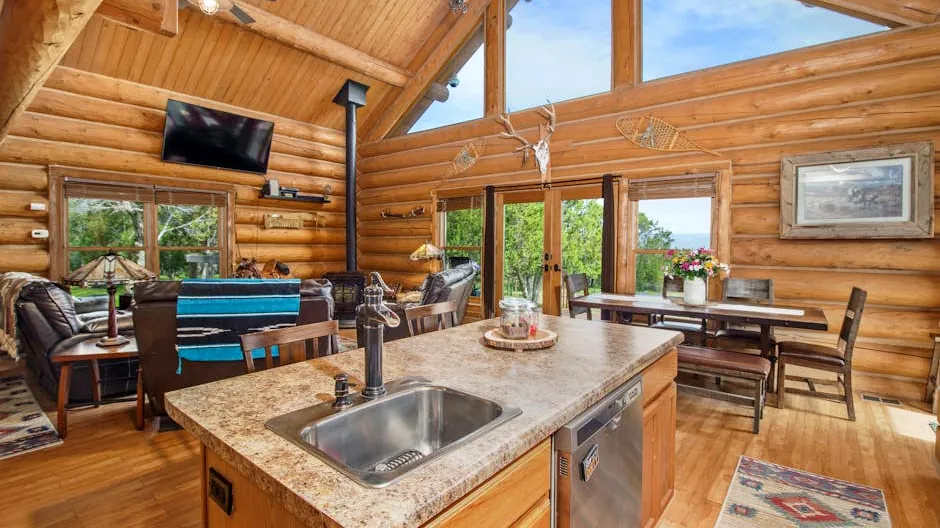
One common misread with 1970s cabins is assuming the dark finishes, worn flooring, and drafty rooms mean the whole interior should be rebuilt. That often wastes money and removes the very features that make a Vermont cabin feel like a cabin. Projects such as the Greydon Cabin renovation show a more practical path: preserve original hand-peeled logs and major structural elements, clean and maintain them, and reserve replacement for parts that are damaged, unsafe, or beyond repair.
This matters for both budget and livability. Keeping original log walls, beams, and other solid materials reduces demolition costs and avoids turning a rustic interior into something generic. It also lets owners spend limited funds where they make a bigger difference in real use, especially insulation, windows, flooring, and indoor air quality.
Which low-cost changes make the cabin feel better fastest?
If the structure is sound, the most noticeable budget upgrades are often cosmetic surfaces that affect light, cleanliness, and daily wear. Painting over dark 1970s paneling in warm neutrals can brighten rooms quickly, and repainting trim in a clean white helps older interiors feel less heavy without erasing their age. Replacing old carpet with laminate flooring is another high-impact move because it improves durability, is easier to clean, and can handle uneven subfloors better than some other finish options.
Carpet removal also serves a practical purpose beyond appearance. In older cabins, pulling it up can reveal trapped moisture, mold, or subfloor damage that was hidden for years. That makes flooring replacement a useful checkpoint: if you uncover musty odors, staining, or soft spots, pause cosmetic work and deal with the source before moving on. For a weekend cabin or small primary home, that sequence can prevent spending twice on the same room.
| Update | Why it works in a 1970s Vermont cabin | Best use case | Caution |
|---|---|---|---|
| Paint over dark paneling | Brightens small rooms at low cost | Paneling is intact but visually dated | Do not cover wood worth preserving if it is a key original feature |
| Replace carpet with laminate | Improves durability, cleaning, and moisture awareness | Worn carpet, uneven subfloor, high-traffic use | Check for mold or subfloor damage after removal |
| Keep original log walls | Preserves rustic character and avoids unnecessary rebuild cost | Logs are structurally sound and dry | Inspect for rot, insect damage, and air leakage first |
Why energy upgrades matter more in Vermont than another round of decor
In a cold Vermont climate, comfort problems usually come from heat loss, not just outdated finishes. Older cabins often have air leaks, weak insulation, and windows that make rooms hard to heat evenly. Upgrading insulation with spray foam or rigid foam, and replacing old units with double- or triple-glazed windows, can change how the cabin performs through the entire winter rather than just how it looks on move-in day.
These are not the cheapest line items, but they tend to solve recurring problems: cold floors, drafts near seating areas, condensation, and high heating bills. For owners trying to phase work over time, this is where a realistic split helps. Cosmetic updates can make the cabin usable sooner, but if heating costs are high or certain rooms stay uncomfortable, energy work should move ahead of decorative spending. In a small cabin, even modest envelope improvements can be felt quickly because the conditioned space is limited.
How to add warmth and function without overspending
Budget-friendly cabin design works best when it stays simple and uses materials that can take real wear. Reclaimed wood is useful here because it adds texture and age without making the interior feel newly manufactured. It can be used for shelving, furniture, accent walls, or smaller DIY projects that build character gradually instead of forcing a full-room makeover all at once.
Inside, practical comfort usually comes from layout and lighting as much as finishes. Space-saving furniture helps in compact cabin rooms, and layered lighting makes dark corners more usable during long winters. Rustic details such as exposed beams or stone accents should support the cabin’s existing structure rather than compete with it. In kitchens and baths, selective upgrades like a farmhouse sink or soapstone-style surface can modernize daily use while still fitting the original setting.
Outside, decks, screened porches, and native landscaping often deliver more usable living space per dollar than expanding the enclosed footprint. Native plantings and low-maintenance site work are especially sensible for seasonal or weekend cabins, where owners may not want constant upkeep between visits.

What should be checked before spending more money?
The next checkpoint is not choosing paint colors or decor. It is confirming the cabin’s structural condition and indoor air quality. If there are signs of rot, settling, persistent moisture, mold, or stale air after the building is closed up, those issues should set the renovation order. Cosmetic work can wait; hidden damage usually gets more expensive when covered over.
A gradual renovation makes the most sense for owners who want to spread costs and keep using the cabin during the process. More caution is needed if the cabin has chronic leaks, major log deterioration, or widespread moisture under old finishes, because those conditions can turn a modest update into a repair-first project. That is the practical dividing line: preserve and improve selectively when the shell is sound, but stop and reassess when safety, structure, or air quality are in question.
Quick Q&A
Should you ever gut a 1970s Vermont cabin?
Only when key structural elements are failing or previous damage makes selective renovation unrealistic. If the logs, framing, and layout are fundamentally sound, targeted updates are usually the better budget choice.
What is the most realistic starting point?
Inspect structure and air quality first, then tackle worn finishes such as dark paneling and old carpet. After that, move to insulation and windows if comfort and heating costs are still a problem.
Who benefits most from this approach?
Owners of small to mid-size cabins who want better comfort, lower upkeep, and lower heating loss without stripping out the rustic features that give the home its value and feel.