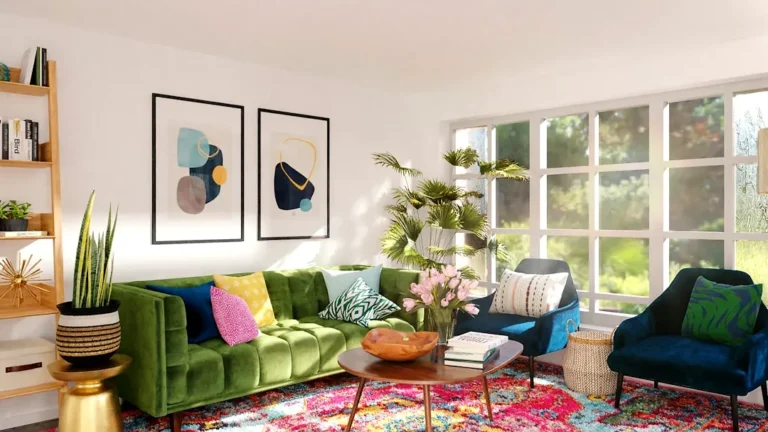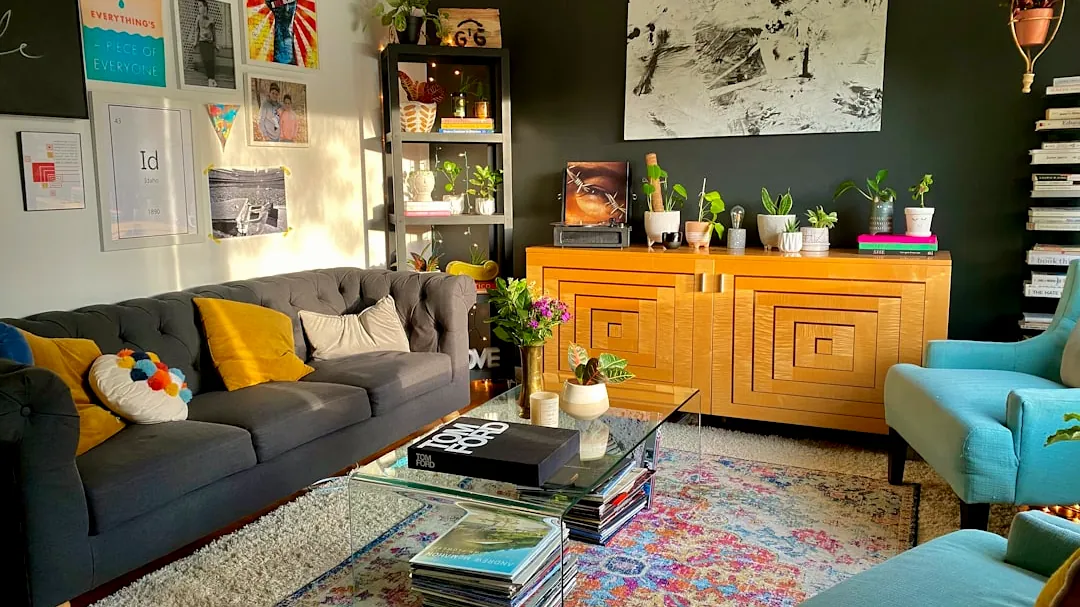
In a small NYC rental, an accent wall works best when it does more than add color. The practical version is the one a budget-conscious renter can install, live with, clean, and remove without a fight with the lease. In one Upper East Side two-bedroom, photographer Kate McReynolds used peel-and-stick wallpaper on the living room wall and temporary vintage-inspired floor tiles in the kitchen to turn a stark white apartment into something warmer and more personal without taking on a full renovation.
Why this approach makes sense in a New York rental
Peel-and-stick wallpaper solves two common apartment problems at once: bland walls and low tolerance for permanent changes. In Kate’s case, the living room accent wall added color and texture without covering the whole room, which matters in apartments where natural light is one of the few things making a small layout feel open. A single wall can shift the mood of the room without the cost, prep, and repainting that come with a full paint job.
The kitchen update followed the same logic. Temporary floor tiles changed the look of a dated surface while staying renter-friendly and move-friendly. That combination is the real distinction here: the apartment feels designed, but the upgrades still fit a lease, a modest budget, and the reality that many NYC renters do not want to sink money into finishes they cannot keep.
Accent walls are not only decorative
A common misreading is that accent walls are just visual filler. In practice, they can affect both function and perceived value. The source estimate here is modest but real: accent walls can boost NYC apartment value by around 1% to 3%, especially when they fit the apartment’s architecture instead of fighting it. That does not mean every bold wall pays off. It means a well-judged focal point can make a space feel more finished and intentional.
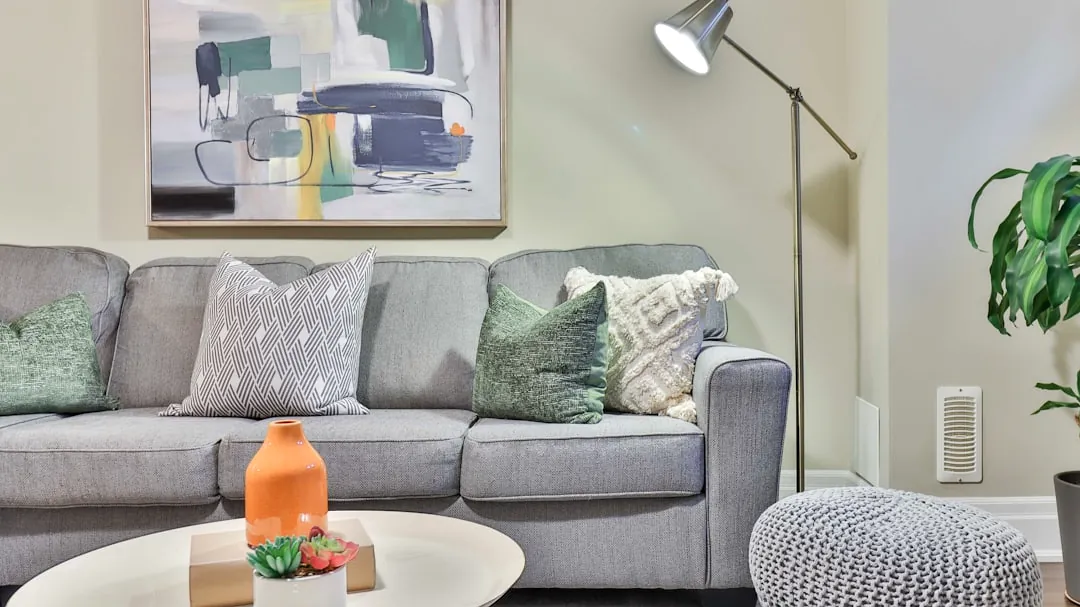
Function matters just as much in a small home. An accent wall can anchor a seating area, make a plain living room feel less temporary, or support integrated shelving and ambient lighting so the wall also handles storage and mood lighting. In tight apartments, that is more useful than adding another freestanding piece that eats floor space.
Which accent wall options fit renters, and which need more caution?
Not every wall treatment belongs in the same category. Some are easy to reverse and maintain, while others make more sense for owners or renters with unusually flexible landlords. The right choice depends on lease terms, room size, and how much upkeep you are willing to take on.
| Option | Best for | Main advantage | Watch for |
|---|---|---|---|
| Peel-and-stick wallpaper | Renters, low-commitment updates, living rooms and bedrooms | Adds color and texture without permanent changes | Needs careful application; test removal and check wall condition first |
| Temporary floor tiles | Renters updating dated kitchens | Changes the room quickly while staying removable | Edges and wear matter in high-traffic areas; choose easy-clean surfaces |
| Wood paneling or plaster | Owners or long-term residents | More durable, more built-in look | Higher cost, professional installation, harder maintenance |
| Exposed brick or architectural trim emphasis | Apartments with existing character | Works with the building’s style rather than adding a separate layer | Limited to what the apartment already has; not a simple add-on for most renters |
How to keep a bold wall from shrinking a small apartment
The main checkpoint is balance. Bold color or pattern can make a room feel cozy, but in a small NYC apartment it can also make the space feel boxed in if the wall gets too dark for the available light. Kate’s living room worked because the accent wall added warmth without sacrificing natural light. That is a better standard than simply asking whether a pattern looks good on its own.
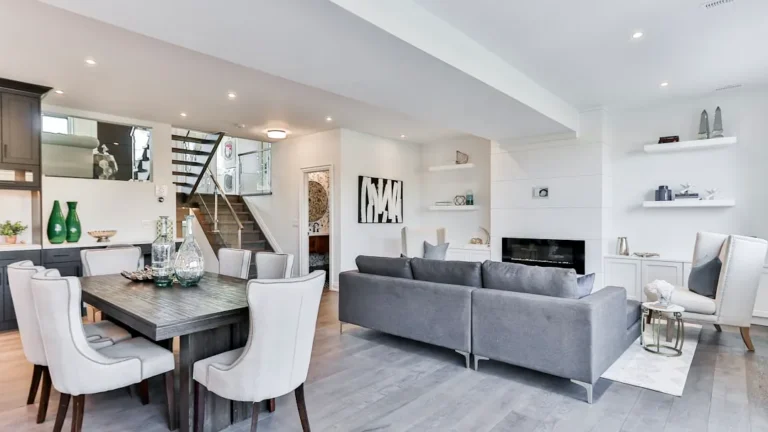
If the room is already dim, a heavily saturated or busy wall may be a stop signal rather than an upgrade. In brighter rooms, stronger wallpaper can work if the rest of the space stays relatively controlled through lighter surrounding walls, simple furniture shapes, or open sightlines. This is also where black metal and glass doors, wide-plank flooring, or uplighting can help: they keep the room from feeling visually clogged while still letting the accent wall do its job.
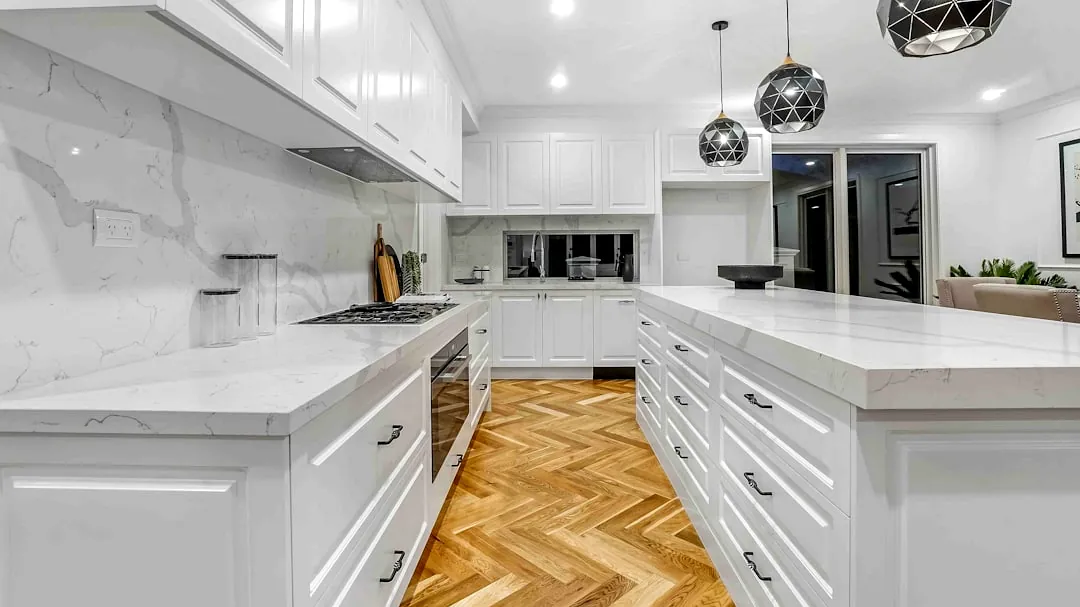
For apartments with very limited square footage, integrated shelving or ambient lighting is often a smarter next step than adding a second decorative wall. It gives the focal point another purpose and reduces the need for extra furniture, which protects circulation and makes the room easier to live in day to day.
What is a realistic starting point for most renters?
Start with one wall in the room you use most, usually the living room. That gives the biggest payoff for comfort and personality with the least risk. Peel-and-stick wallpaper is the sensible first move for renters who want a visible change but are not ready to commit to paint, paneling, or contractor work. If that goes well, temporary kitchen floor tiles are a logical second project because they can lift a dated kitchen without changing cabinets or layout.
The cautious group is anyone in a very dark apartment, anyone with strict lease language, or anyone considering a highly dominant pattern in a room that already feels tight. In those cases, pause before scaling up. Check the lease, test a small section, and look at the wall in daylight and at night. If the room starts to feel smaller or harder to furnish around, the design is asking too much from the space.
For busy households, maintenance-friendly materials are part of the appeal, not a side note. Peel-and-stick wallpaper and temporary tiles are easier to wipe down and replace than more permanent finishes, which makes them better suited to everyday urban use. That practical edge is why renter-friendly accent walls are more than a decorating trick in NYC apartments: they can make a plain home feel settled without creating a costly problem later.